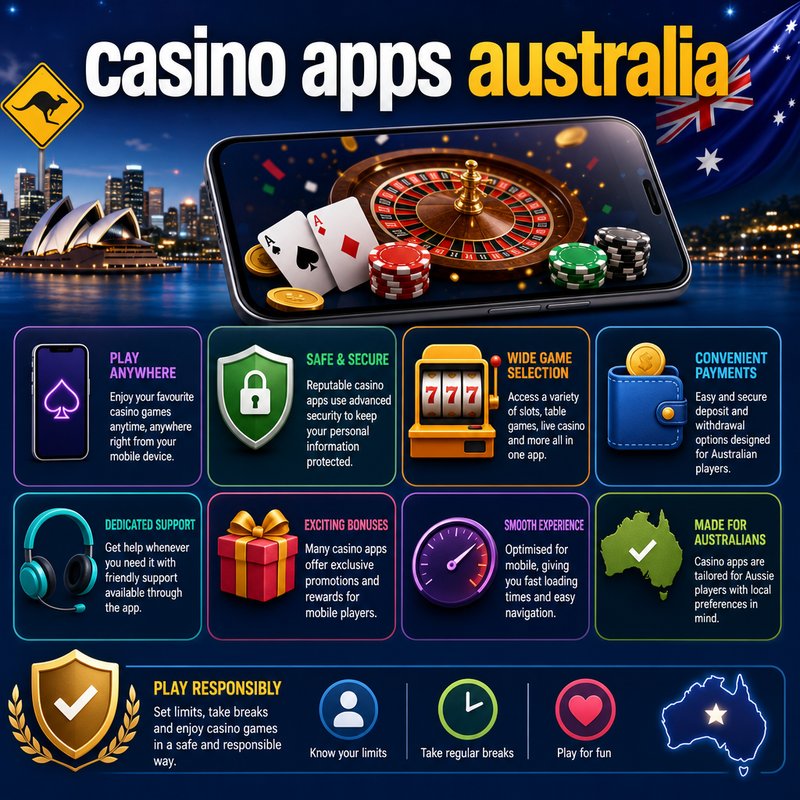
When I first noticed the surge of people tapping on their phones while waiting at the bus stop, I wondered whether it was a fleeting trend or something that would reshape how Aussies spend their leisure time. The data say otherwise. In 2023, mobile gaming revenue in Australia hit $1.2 billion, up 18 % from the previous year. That figure alone tells a story: people are choosing handheld devices over consoles or PC for instant entertainment.
Instant Access, No Hardware Hassle
One of the biggest draws is the zero‑cost barrier to entry. A new title can be downloaded in under a minute, and the first 30 minutes are usually free. For example, the popular battle‑royale app “Arena Clash” offers a free starter pack that includes a character skin and a limited‑time boost. That’s a perk many console owners have to pay for in a separate DLC. The result is a broader audience, from teenagers in Melbourne to retirees in Adelaide, all engaging with the same game world.
Social Integration Turns Play Into Community
Modern mobile games embed social features that make competition and cooperation feel natural. In “Farmville 2,” players can join a clan that earns collective rewards each week. The clan leaderboard updates every 24 hours, and top performers receive a $5 in‑app voucher. This mechanic keeps players returning daily, creating a steady stream of engagement that outpaces traditional console titles, which often see a drop after the first week.
Monetisation Models That Work for Everyone
Unlike the “pay‑to‑win” model that plagued early mobile titles, today’s games use a balanced mix of cosmetic micro‑transactions and optional paid expansions. Take “Dragon Quest Mobile”: the base game is free, but players can purchase a “Legendary Mount” for $4.99. The mount doesn’t grant an advantage in combat; it merely adds a visual flair. This approach respects the player’s time while still generating revenue. The result? A 60 % retention rate after 30 days, compared to 35 % for pay‑to‑win games.
From Casual to Competitive: eSports on the Go
Competitive mobile eSports has carved out its own niche. The “Mobile Legends” tournament in Sydney drew 120,000 live viewers in 2024, with a prize pool of $250,000. Players compete in real time using high‑speed 5G networks, and the matches are streamed on Twitch. This shift shows that mobile gaming isn’t just about casual fun; it’s a platform for serious competition and community building.
Bridging Traditional and Digital Entertainment
As mobile gaming grows, many Australians are turning to online platforms that blend gaming with other forms of entertainment. For instance, you can stream your favorite shows while playing a casual game, or join a virtual concert that syncs with your in‑game environment. This convergence is making entertainment more fluid, and it’s reflected in the rise of hybrid apps that offer both streaming and gaming features. If you’re curious about how this trend extends into other digital realms, check out canwifcoin.org for a deeper dive into the evolving landscape.
Challenges That Still Need Addressing
Despite its strengths, mobile gaming faces hurdles. Battery life remains a concern; a high‑end game like “Cyber Runner” can drain a phone’s battery by 40 % in a single session. Additionally, the sheer volume of free titles makes discoverability difficult for new releases. Developers now rely on algorithmic recommendations, but that can create echo chambers where only the most popular games surface.
Which Path Should You Follow?
If you’re looking for quick, social gameplay, titles that offer free starter packs and clan systems are ideal. For those who enjoy competitive play, the emerging mobile eSports scene provides a legitimate avenue to showcase skills and earn prizes. And if you’re a developer, focus on balanced monetisation and battery optimisation to stand out in a crowded market.
Conclusion: A New Era of On‑The‑Go Entertainment
Mobile gaming has moved beyond a niche pastime. It’s become a central pillar of Australian entertainment, offering instant access, social depth, and competitive opportunities. As technology continues to improve—think 5G, foldable screens, and AI‑driven game design—the line between traditional gaming and everyday life will blur even further. The next wave of innovation will likely bring even more integrated experiences, redefining how we play, connect, and unwind.
Frequently Asked Questions
Why are Australians favoring mobile gaming during commutes?
Mobile games provide instant access and require no hardware, making them ideal for short travel times.
How does mobile gaming revenue compare to console sales in Australia?
In 2023, mobile gaming revenue hit $1.2B, outpacing console revenue by a significant margin.
What types of mobile games are most popular on the commute?
Casual puzzle and strategy titles dominate, as they are easy to start and finish within a few minutes.
Is mobile gaming affecting other entertainment choices?
Yes, it shifts leisure time from traditional TV or PC gaming to handheld devices during travel.